The Woman Who Served the Strongest Sulphur Water in England
For more than sixty years, Elizabeth "Betty" Lupton stood beside the Old Sulphur Well in Harrogate, dispensing what was reputed to be the strongest sulphur water in Britain. Her dedication to visitors seeking the "Harrogate cure" earned her the title "Queen of the Wells," making her one of the most recognised figures in the town's spa history.
Six Decades of Service
Betty Lupton was born around 1760 and began attending the wells in her early twenties. She continued this work until her death in 1843 at the age of 83, serving visitors for upwards of six decades. Her obituary, published in a Harrogate newspaper in August 1843, noted that she died at the house of Mrs Downham, her daughter, on Tuesday, 22 August 1843.
The Old Sulphur Well, where Betty spent her working life, contained the greatest concentration of sulphur of all Harrogate's mineral springs. This natural resource drew visitors from across Britain seeking relief from ailments such as gout, lumbago, and various chronic conditions. The water's distinctive properties made it central to Harrogate's reputation as "The English Spa."
The Queen of the Wells
In 1837, Betty Lupton was granted the honorary title "Queen of the Wells," a recognition bestowed annually upon a volunteer water server. The tradition involved a coronation ceremony held each May, transforming the practical work of dispensing medicinal water into a theatrical spectacle that delighted visitors and reinforced Harrogate's appeal as a spa destination.
The title was not merely ceremonial. It acknowledged the vital role these women played in Harrogate's economy and social fabric. Betty's successor, Mrs Anne Watson, assumed the crown following Betty's death, though the tradition gradually declined as the spa industry modernised.
The Old Sulphur Well and the Royal Pump Room
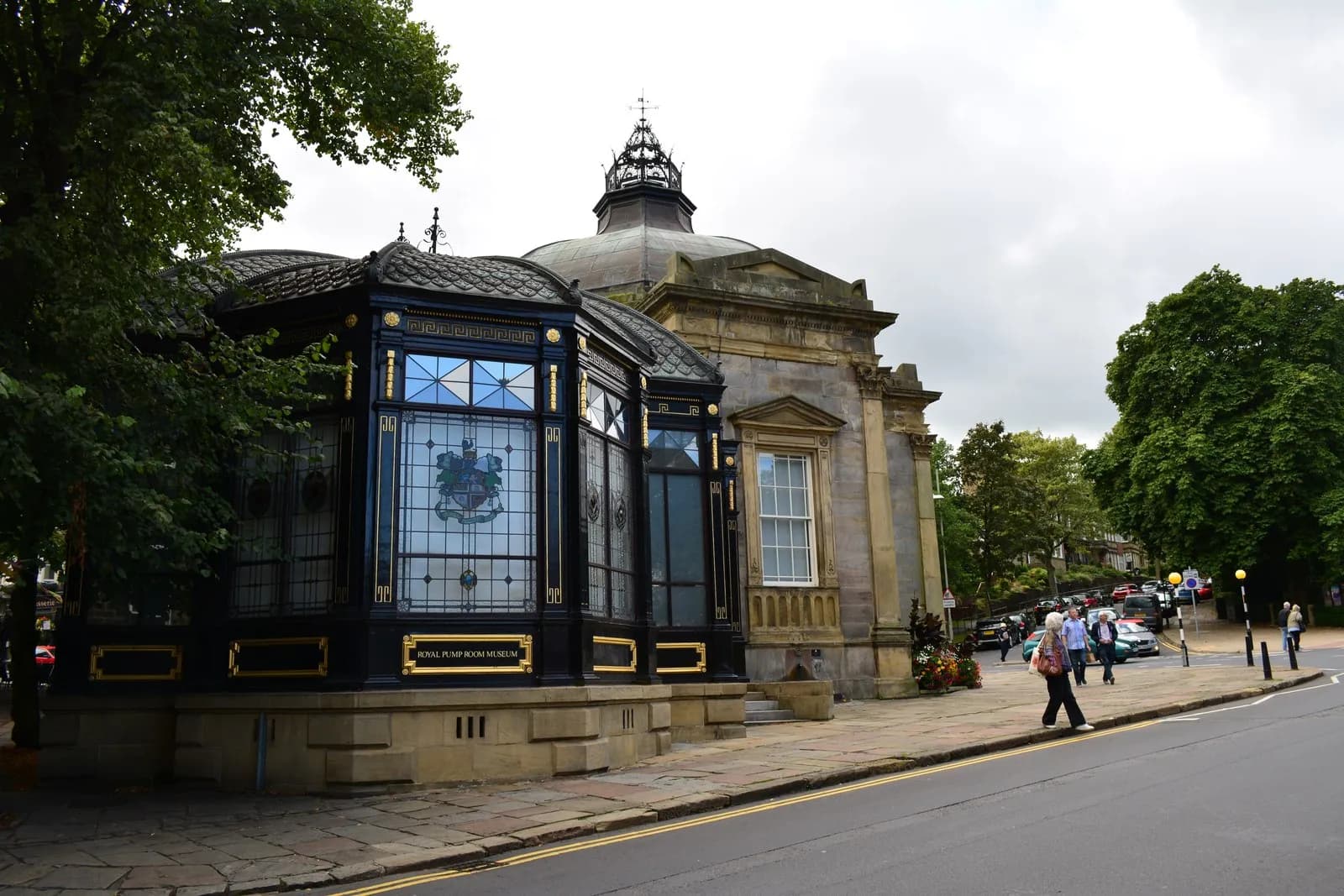
The Old Sulphur Well stood at what is now Crown Place in Harrogate, the site where the Royal Pump Room was constructed between 1841 and 1842. Betty Lupton retired in 1843, just as this new building was completed. The Royal Pump Room, now a Grade II* listed building and museum, marked a shift from informal, traditional water dispensing to institutionalised spa operations.
Under the Harrogate Act of 1841, the town was required to provide free access to sulphur water for the poor. An outside tap was installed at the Pump Room to fulfil this obligation, reflecting the tension between commercial spa operations and the belief that healing waters should remain accessible to all social classes.
Legacy and Remembrance
Today, a brown commemorative plaque honours Betty Lupton on the Royal Pump Room, acknowledging her decades of service and her status as the original "Queen of the Wells." Her life coincided with Harrogate's transformation from a modest spa town to a premier destination for health tourism.
The site where Betty dispensed water now sits near Valley Gardens, which contains 36 mineral wells; the largest cluster of mineral springs in England. This location connects her legacy to the broader story of Harrogate's unique geological heritage and its centuries-long association with healing waters.
Harrogate's Spa Heritage
Harrogate's identity as a spa town began in 1571 when William Slingsby discovered the first chalybeate spring at Tewit Well. Physician Edmund Deane's 1626 publication, Spadacrene Anglica, promoted the town's waters and established its reputation as "The English Spa." By the time Betty Lupton began her work, Harrogate had already developed a sophisticated infrastructure to serve visitors seeking the reputed health benefits of its mineral springs.
At the height of its popularity in the late 19th and early 20th centuries, the Pump Room attracted approximately 15,000 visitors annually. Betty Lupton's six decades of service helped establish the personal, human connection that distinguished Harrogate from other spa towns and contributed to its enduring appeal.